Pixel Art
A short explanation
I am active on the demo scene, using the handle "Grip". I mostly do pixel graphics on Amiga and Commodore 64. On the former platform, I tend to use Grafx2 on Linux or Deluxe Paint IV on real hardware. For C64 graphics, I use the excellent Pixcen, running under the equally excellent Wine.
You might also want to check out Scene Archetypes, which features a few more pixel creations of mine.
My creations
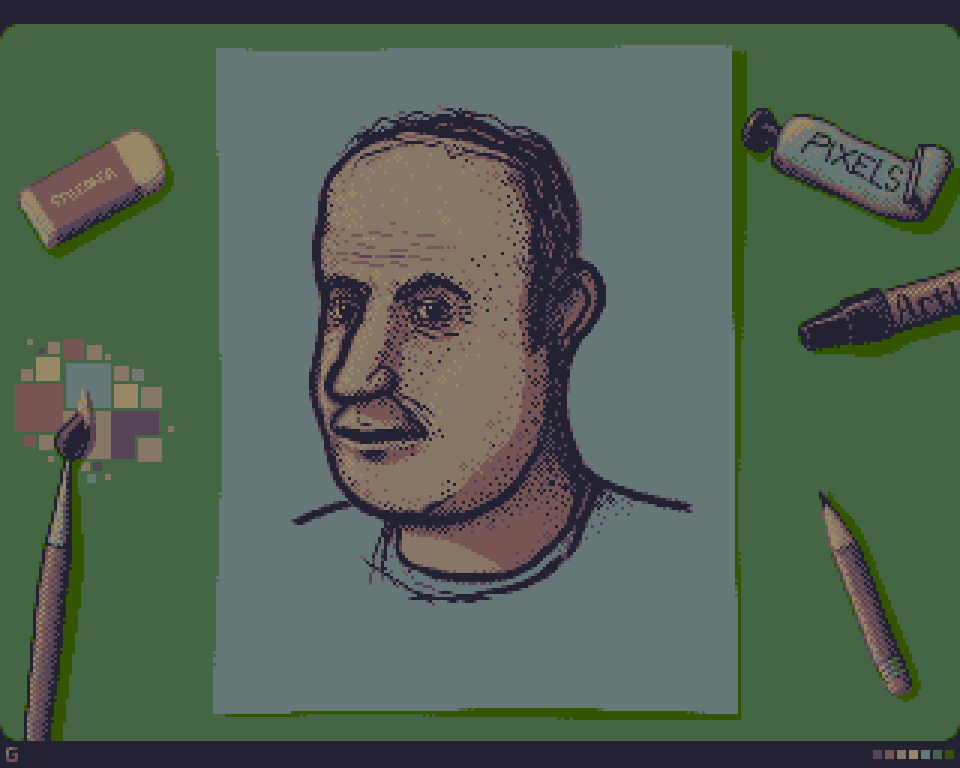 |
Mixed Media Amiga Lowres, 8 colours |
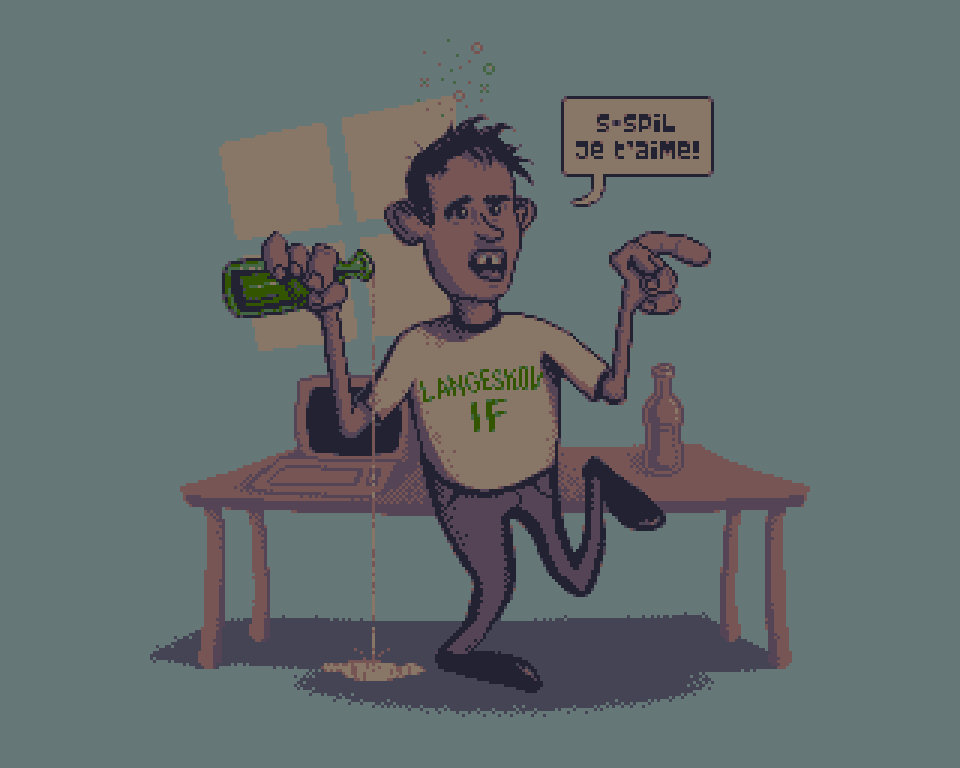 |
Langeskov Jazz Amiga Lowres, 8 colours |
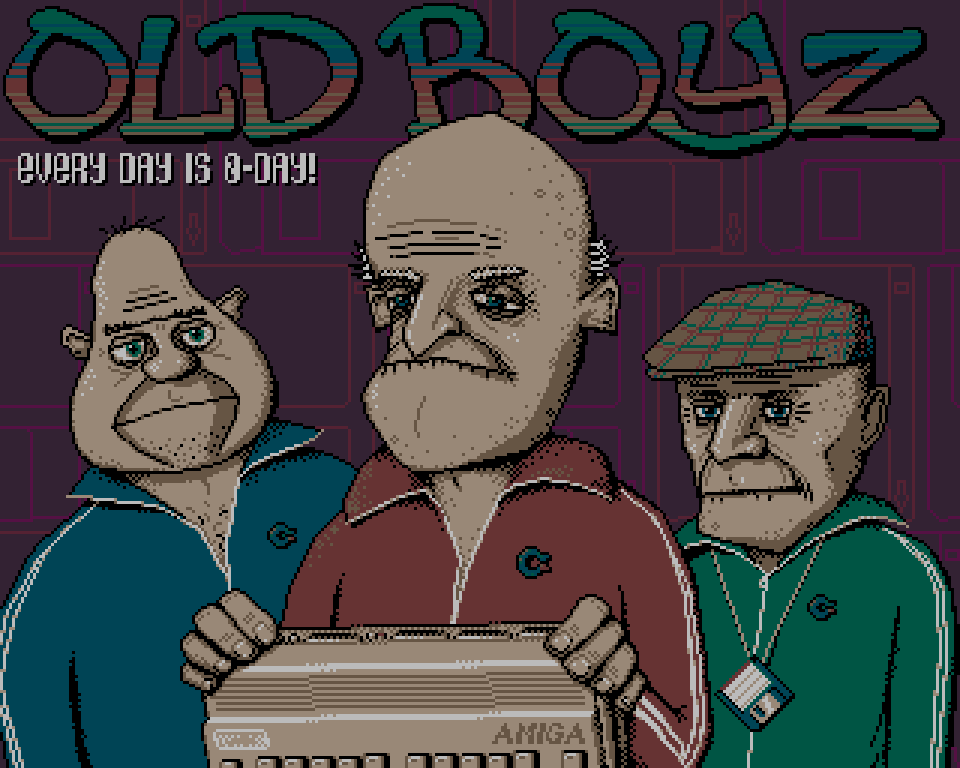 |
Old Boyz Amiga Lowres, 10 colours (8 + 4 colour dual playfield) |
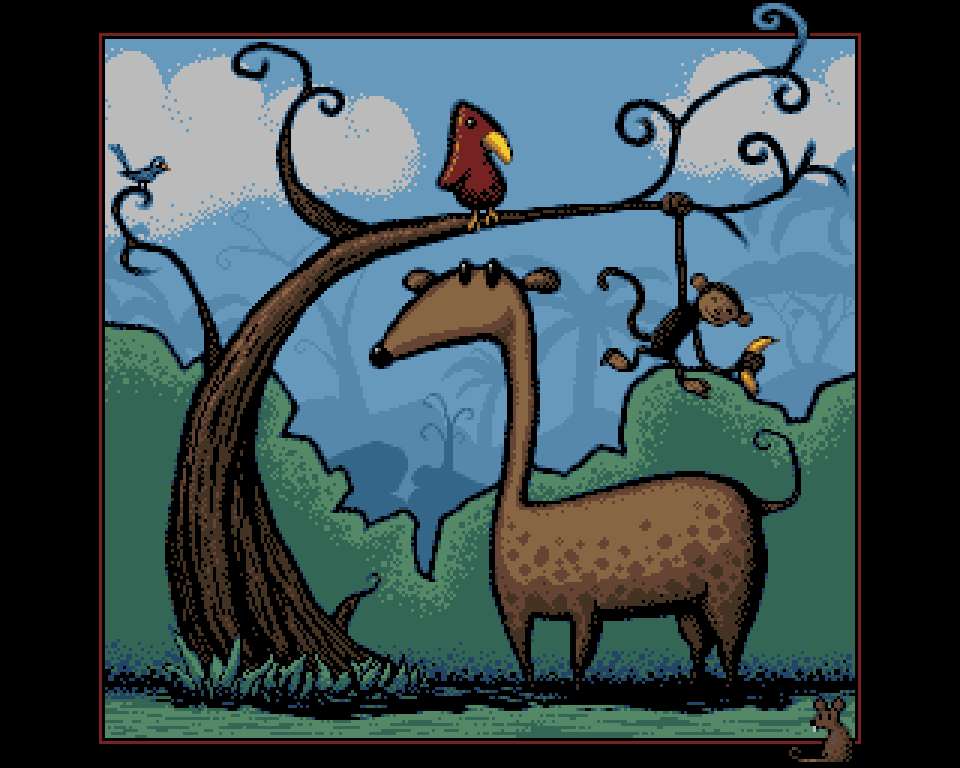 |
Les Animaux Amiga Lowres, 16 colours |
 |
Frog Amiga Lowres, 8 colours |
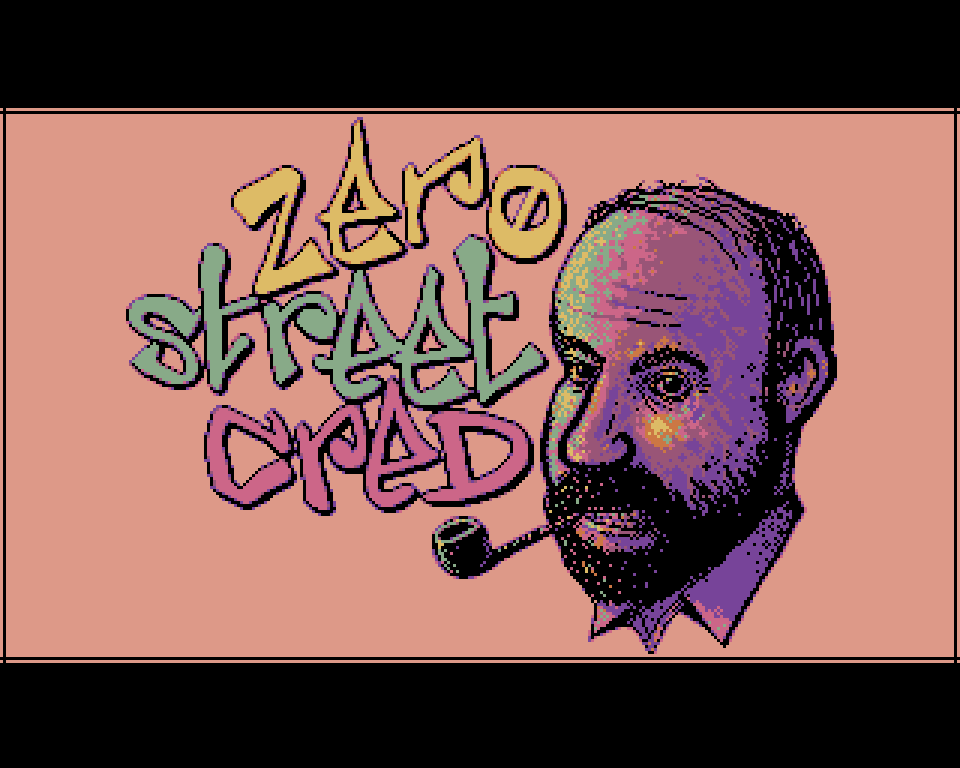 |
Zero Street Cred Amiga Lowres, 8 colours |
 |
GriMaPe Visits The Pub C64 Hires |
 |
The Heist Amiga Lowres, 16 colours |
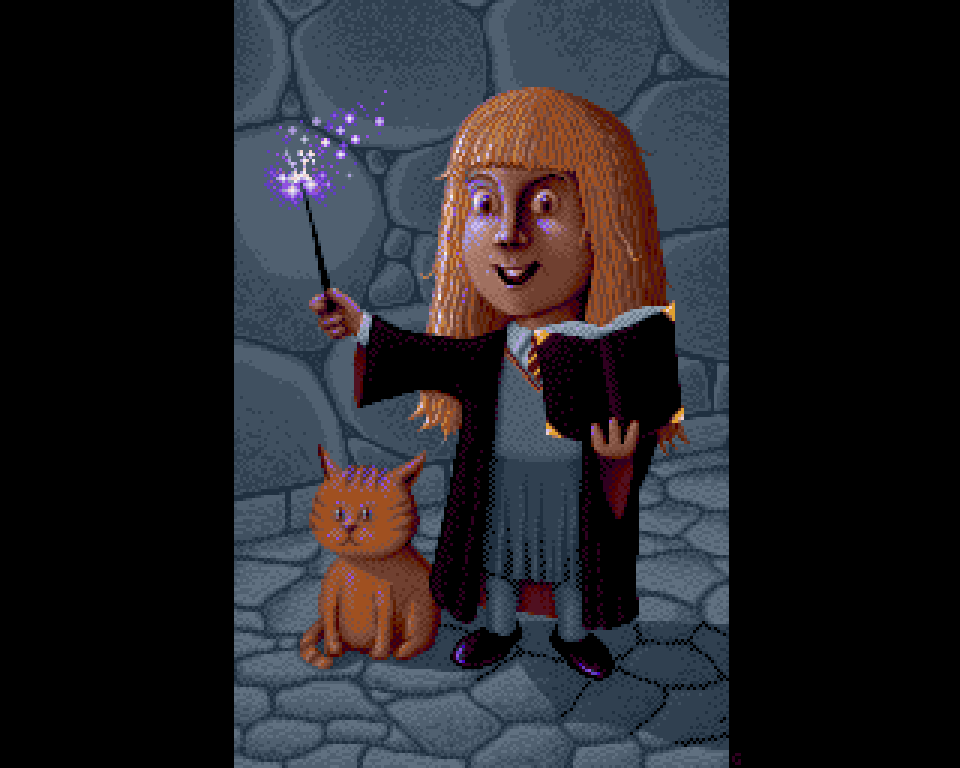 |
Swish and Flick Inspired by J. K. Rowling Amiga Lowres, 32 colours |
 |
The Story of a Mother Inspired by H. C. Andersen Amiga Lowres, 32 colours |
 |
Molly Millions Inspired by William Gibson Amiga Lowres, 32+32 colours (EHB) |
 |
Dichotomy Dissolving C64 Hires |
 |
Santiago Dreams of Luck Inspired by Ernest Hemingway Amiga Lowres, 32 colours, ~25k 960x768 PNG |
 |
Grim Ape C64 Hires |
 |
Shroom with a View Inspired by Elsa Beskow Amiga Lowres, 32 colours |
A longer explanation
Pixel art is created in low resolutions (typically around 320x200), with an indexed palette. Dithering and anti-aliasing is done by hand - I prefer to use a mouse.

Originally, all home computer graphics was pixel art. Highly skilled computer game artists worked both against hardware and memory limitations and with the special properties of cathode ray tubes to create an illusion of more colours and higher resolutions. By using clever colour blending, dithering and anti-aliasing, truly beautiful works of art were crafted on machines that are now surpassed a thousandfold by even the simplest smartphones.
Doing pixel art today is neither modern nor efficient, but the hardware limitations and time consuming technique is rewarded with a lot of interesting conundrums to solve or work around. When working on minute dither details or antialiasing, I soon find myself in a pleasant, zen-like state of mind. There's just me, the pixels and not much else.
In short, creating pixel art is fun.
On the Amiga, I typically use 32 colours freely selectable from a 12-bit palette and work in a 320x256 pixel resolution. These are the limitations enforced by OCS (Original Chip Set) as featured in, among other models, the popular Amiga 500.
On the C64, you always have access to all of the fixed 16 colours provided by the hardware. I like working in Hires, which on the C64 is 320x200 pixels. This is divided into "chars" of 8x8 pixels and each such char can only contain two colours at any one time. This limitation provides for quite a bit of fun and challenging puzzles.
Licensing
These images are released under the Creative Commons Attribution-NonCommercial-NoDerivatives 4.0 International (CC BY-NC-ND 4.0) license. On the scene, people usually don't bother with software licenses. Unless stated otherwise, it is implied that productions are released on terms similar to the CC BY-NC-ND license and the community is rather self-policing: if you rip someone's graphics or music without asking, you are inevitably called out as a lamer and will be publicly shamed.